
Dry Mouth, Morning Headaches, and Snoring: When Could Sleep Apnea Be Involved?
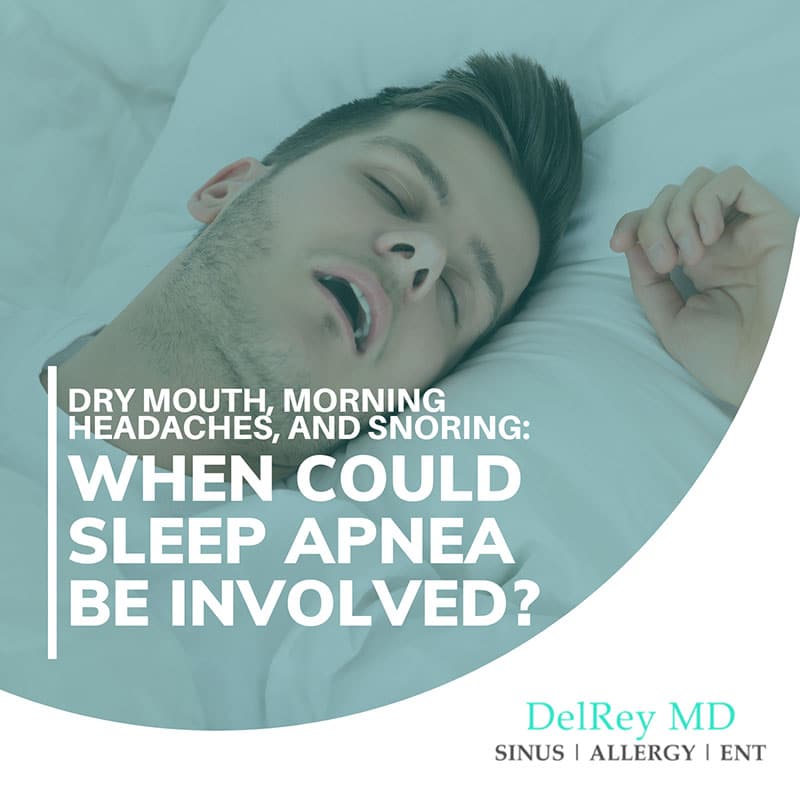
Waking up with a dry mouth, a dull headache, and complaints about loud snoring can feel like three separate problems. Many people assume they slept with their mouth open, did not drink enough water, or simply had a restless night. When these symptoms happen together on a regular basis, they can point to obstructive sleep apnea.
At Del Rey MD in Bakersfield, California, patients often seek evaluation after months or even years of poor sleep without realizing their breathing is repeatedly stopping during the night. Recognizing this combination of symptoms can help identify sleep apnea before it begins affecting your overall health and daily energy.
Why Do These Symptoms Often Happen Together?
Sleep apnea affects breathing while you sleep. Instead of maintaining an open airway throughout the night, the muscles in the throat relax enough to partially or completely block airflow. Your body briefly wakes up to restore breathing, often without you remembering it the next morning.
Those repeated interruptions can lead to mouth breathing, lower oxygen levels, and fragmented sleep. The result is a pattern of symptoms that may seem unrelated until they are viewed together.
Dry Mouth May Be a Sign You’re Breathing Through Your Mouth
Xerostomia or a dry mouth is one of the most common morning complaints among people with untreated sleep apnea.
When your airway becomes blocked during sleep, you may instinctively breathe through your mouth instead of your nose. Air moving through the mouth overnight dries the tongue, gums, and throat, leaving you thirsty or uncomfortable when you wake up.
Dry mouth may be even more noticeable if you also have nasal congestion, allergies, or a deviated septum that makes nasal breathing difficult during sleep.
Why Can Sleep Apnea Cause Morning Headaches?
Morning headaches associated with sleep apnea often feel different from migraines or tension headaches. Many people describe a dull, pressure-like headache that is present when they wake up and gradually improves over the next few hours.
These headaches are thought to be related to changes in oxygen and carbon dioxide levels during repeated breathing interruptions. Poor sleep quality may also contribute, making headaches more frequent after nights when sleep apnea is more severe.
If headaches happen consistently in the morning alongside snoring or daytime fatigue, they deserve further evaluation.
Snoring Is Common, but It Does Not Always Mean Sleep Apnea
Snoring happens when airflow vibrates the tissues in the throat during sleep. Many adults snore occasionally, especially during allergy season or when sleeping on their back.
Sleep apnea becomes more likely when snoring is loud, frequent, and accompanied by pauses in breathing. A bed partner may notice silence followed by gasping, choking, or a sudden snort before breathing resumes.
While not everyone who snores has sleep apnea, persistent snoring combined with daytime symptoms should not be ignored.
Other Signs Sleep Apnea Could Be Affecting Your Sleep
Sleep apnea often causes symptoms that continue throughout the day because sleep is repeatedly interrupted overnight.
You may notice:
- Waking up feeling tired even after a full night’s sleep.
- Excessive daytime sleepiness.
- Difficulty concentrating or memory problems.
- Irritability or mood changes.
- Waking up gasping for air during the night.
- Frequent nighttime awakenings.
Many people do not realize these symptoms are connected to poor-quality sleep until they are evaluated.
Who Is More Likely to Have Sleep Apnea?
Sleep apnea can affect adults of all ages, but certain factors increase the likelihood of developing it.
Risk factors include excess weight, a larger neck circumference, chronic nasal congestion, enlarged tonsils, a deviated septum, and a family history of sleep apnea. Age also increases the likelihood of airway collapse during sleep, although younger adults can develop the condition as well.
In Bakersfield, seasonal allergies and chronic nasal obstruction may also contribute by making it harder to breathe comfortably through the nose at night.
Could Something Else Be Causing These Symptoms?
Dry mouth, headaches, and snoring do not automatically mean you have sleep apnea. Several other conditions can produce similar symptoms.
Chronic nasal congestion from allergies may lead to mouth breathing without sleep apnea. Sinus problems can contribute to morning headaches, while dehydration, teeth grinding, or certain medications may also cause dry mouth.
An ENT evaluation from the right clinic in California helps determine whether your symptoms are related to sleep apnea, nasal obstruction, or another condition affecting your breathing during sleep.
How an ENT Evaluates Possible Sleep Apnea
A sleep apnea evaluation looks at both your symptoms and your airway.
Your provider will ask about snoring, daytime fatigue, morning headaches, and whether anyone has witnessed pauses in your breathing during sleep. An examination may identify nasal obstruction, enlarged tissues in the throat, or other anatomical factors that affect airflow.
A sleep study is often recommended to confirm whether breathing interruptions are occurring during sleep and to determine the severity of obstructive sleep apnea.
What Happens If Sleep Apnea Is Diagnosed?
Treatment depends on the severity of sleep apnea and the cause of the airway blockage.
For some patients, treatment may involve continuous positive airway pressure (CPAP). Others may benefit from oral appliance therapy, treatment for nasal obstruction, weight management, or other therapies recommended after an ENT evaluation.
If structural issues inside the nose are contributing to nighttime mouth breathing, treating those conditions may also improve airflow during sleep.
When Should You Schedule an Evaluation?
Occasional snoring after a cold is common. A pattern of snoring, dry mouth, and morning headaches is worth discussing with an ENT, especially if symptoms continue for weeks or months.
Consider scheduling an evaluation if:
- You snore loudly most nights.
- You wake up with a dry mouth almost every morning.
- Morning headaches happen regularly.
- You feel unusually tired during the day.
- Someone has noticed pauses in your breathing while you sleep.
These symptoms can affect your sleep quality, concentration, and long-term health if sleep apnea is left untreated.
Wake Up Feeling More Rested, Not More Exhausted
A dry mouth, morning headaches, and loud snoring may seem like separate issues, but together they can be signs that your breathing is being disrupted while you sleep. Identifying whether sleep apnea or another airway problem is responsible can help you move toward treatment that improves both your sleep and your daytime energy.
Book an evaluation with Del Rey MD to find out whether sleep apnea or another airway condition is affecting your sleep and morning symptoms.