Mild snoring can be an annoyance to you or your family. However, chronic, loud, or excessive snoring may be associated with a more serious condition known as sleep apnea.


Snoring And Sleep Apnea
Sleep apnea involves repeated pauses in breathing during sleep. If left untreated, it may be associated with certain health concerns, including cardiovascular conditions, high blood pressure, and other complications.
Disrupted sleep may also contribute to daytime fatigue, difficulty concentrating, headaches, and other symptoms. If you snore excessively, an evaluation by one of our providers can help assess your condition and guide appropriate treatment options.
Snoring occurs when you sleep and make raspy or harsh breathing sounds. The noise is caused by the tissues in the back of your throat vibrating as air passes through. Snoring may occur occasionally in many individuals, but for some people it can become a persistent concern.
Snoring and obstructive sleep apnea are both related to airflow restriction in the airway during sleep. Snoring occurs when the airway narrows but airflow continues. Sleep apnea may occur when the airway becomes significantly restricted, affecting normal breathing patterns.
Because of disrupted sleep, some individuals may experience reduced sleep quality or daytime fatigue. Breathing interruptions may occur multiple times throughout the night in individuals with obstructive sleep apnea.
Snoring may be influenced by a variety of factors, including nasal or sinus structure, alcohol use, allergies, illness, and weight.
Depending on the underlying cause, treatment options may be available to help manage symptoms.
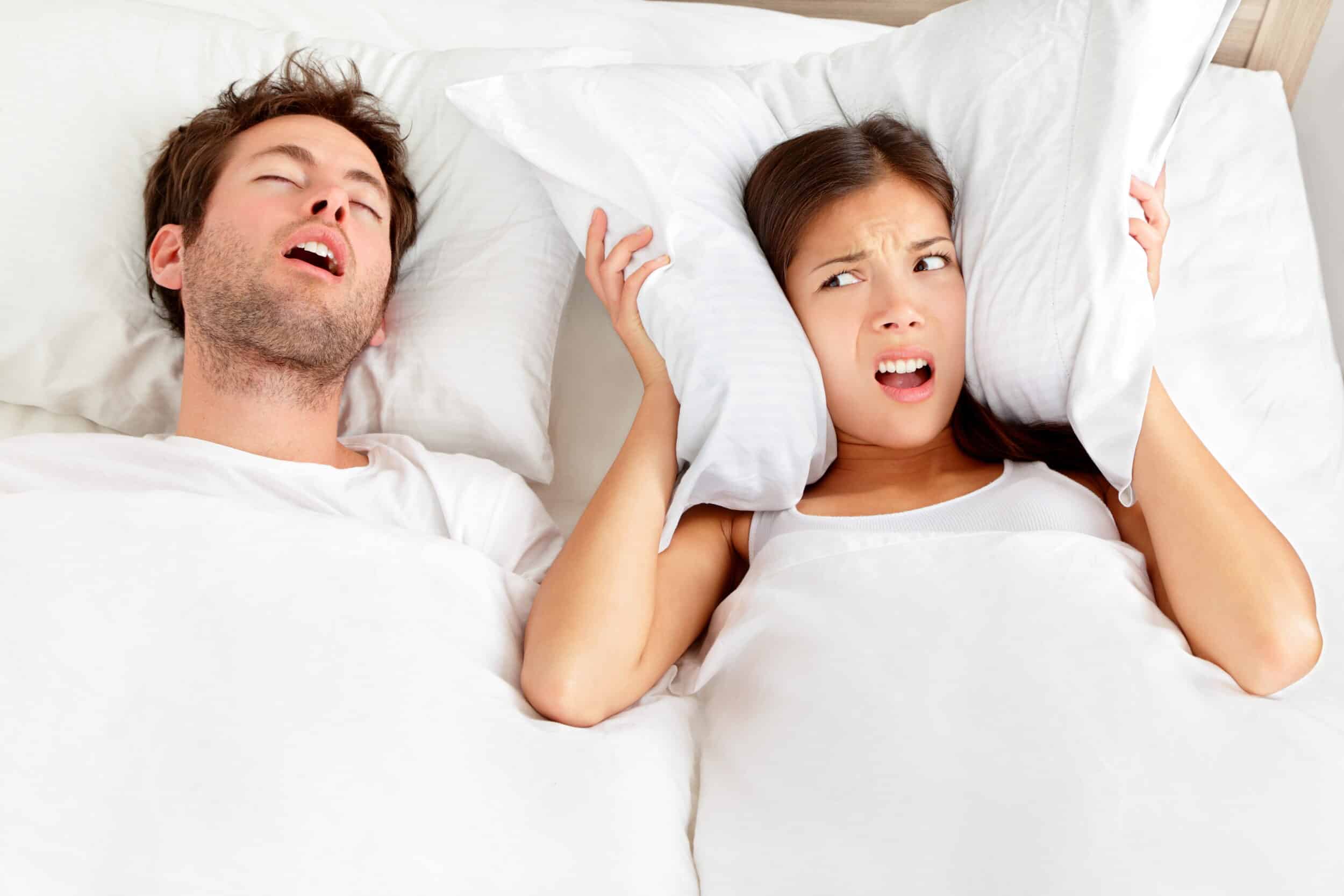
Is Snoring Normal?
Typically, yes. Snoring can be a common part of sleep. However, if snoring consistently disrupts sleep, is accompanied by breathing pauses, or leads to persistent fatigue, it may be a sign of sleep apnea.
Snoring can also occur in children and is often harmless. However, in some cases, further evaluation may be recommended. Sleep apnea is more commonly diagnosed in adults, but it can affect individuals of all ages.
Symptoms of Sleep Apnea
- Loud snoring
- Waking during the night due to breathing disturbances
- Pauses in breathing during sleep
- Abrupt awakenings with gasping or choking
- Dry mouth or sore throat upon waking
- Morning headaches
- Daytime fatigue
- Difficulty concentrating
What Happens if Sleep Apnea Is Left Untreated?
Sleep apnea may be associated with an increased risk of certain health conditions if left untreated. It can also affect sleep quality and contribute to daytime fatigue and reduced concentration.
Are There Ways to Reduce Sleep Disruption?
While sleep apnea may not always be preventable, certain habits may help support better sleep:
- Maintaining consistent sleep and wake times
- Eating a balanced diet
- Limiting caffeine and high-sugar foods before bedtime
- Exercising regularly
- Creating a comfortable sleep environment
- Practicing relaxation techniques before bed
- Reducing screen time before sleep
Schedule Your Appointment With Del Rey MD
If you are experiencing persistent snoring or sleep-related concerns, the team at Del Rey MD can help evaluate your symptoms and discuss appropriate treatment options.
Serving patients in Marina Del Rey, Long Beach, and Bakersfield, CA, we are committed to helping patients improve sleep quality and manage sleep-related conditions.
Snoring and Sleep Apnea FAQs
Can children suffer from snoring and sleep apnea?
Yes, children can experience snoring and sleep apnea. In some cases, enlarged tonsils or adenoids may contribute to airway obstruction. Evaluation may be recommended if symptoms are persistent.
How is sleep apnea diagnosed?
Diagnosis may involve a sleep study, which monitors breathing patterns, oxygen levels, and other functions during sleep. Home sleep tests may also be used in some cases.
Are there different types of sleep apnea?
Yes, including obstructive sleep apnea (OSA), central sleep apnea (CSA), and mixed sleep apnea.
Is sleep apnea a permanent condition?
Sleep apnea may be a long-term condition depending on the underlying cause. Treatment and management approaches vary based on individual factors.
What treatments are available for snoring and sleep apnea?
Treatment options may include lifestyle changes, oral appliances, CPAP therapy, or surgical procedures, depending on the severity and cause.
What role does diet play in managing sleep apnea?
Diet can influence overall health and weight, which may affect sleep apnea symptoms in some individuals.
Can lifestyle changes help with sleep apnea?
Certain lifestyle adjustments, such as weight management and sleep positioning, may help improve symptoms in some cases.
Why choose us for snoring and sleep apnea treatment?
Our team focuses on evaluating sleep-related conditions and providing patient-centered care. We emphasize thorough assessment, clear communication, and individualized treatment planning.
Individual results may vary. Information on this website is for educational purposes only and is not a substitute for professional medical advice, diagnosis, or treatment. In the event of a medical emergency, call 911.